

| Weight | 0.08 kg |
|---|---|
| Author | |
| ISBN | 9789960992518 |
| Pages | 59 |
| Product Type | Book |
| Publisher | IIPH |
| Binding | Paperback |
Read, Then Write Your Will
$2.73
Hurry up, Only 3 left.
Highlights:
somdn_product_page
Compare
This book deals with the importance of having an Islamic will. Author Hisham Ibn Fahmi Ibn Moussa Al-Aref explains what a will is and how important it is in Islam.
Islam highly encourages, if not obligates, writing a will as soon as possible, since one does not know when Allah will take the Muslim’s soul back to Him. Many man-made laws also recognize the importance of a will and the difficulties that the absence of one can cause. The will can include both financial and religious matters and can be a document for reference and application without disputes.
SKU: SJ173
Category: Sharia, Fiqh and Jurisprudence
Additional information
Reviews (0)
Be the first to review “Read, Then Write Your Will” Cancel reply
You must be logged in to post a review.
Related Products


The Concise Presentation of the Fiqh of the Sunnah and the Noble Book
Highlights:
Written by Dr. Abdul-Azeem Badawi and translated by Jamal al-Din M. Zarabozo, The Concise Presentation of the Fiqh of the Sunnah and the Noble Book covers the fiqh of diverse topics like purity, prayer, fasting, zakah, pilgrimage, marriage, business transactions, foods, inheritance, criminal offenses, and jihad. Dr. Badawi relies only on the Quran and the Sunnah, making it an authentic Islamic book on fiqh and a collection of sound hadiths.


Fiqh Course: Tahaarah, Salaah & Janaa’iz
Highlights:
This course was compiled for English-speaking Muslims and is especially beneficial for new Muslims. It covers tahârah (purification), salâh (prayer) and janâ‘iz (funerals). It is set out in an easy-to-understand manner, citing evidence from the Qur’an and authentic hadiths. The aim of this book is to provide the reader with a correct, yet uncomplicated guide to the performance of the aforementioned acts of worship. Allah willing, it is the first in a series which will cover all aspects of worship and Islamic jurisprudence.

The Pillars of Islam Made Easy – II Salah & Its Essential Conditions (H/B)
Highlights:
Salah is one of the five pillars on which the edifice of Islam rests. Most of us feel that we already know all there is about salah – the formal prayers of a Muslim. However, very few individuals actually do justice to it or derive any worldly or spiritual benefits from it.
Salah & Its Essential Conditions is an effort to detail the essential prerequiires of salah. Moreever, it takes a detailed look at its importance along with the different types of obligatory and voluntary prayers. It alsa presents an illustrated guide to help those who wish to learn or correct the performance of their prayers.
Inshallah, all those who wish to improve their salah will find plenty of help in this book whether they are looking for information on cleanliness and purify, locating the direction of qibla, improving their congregation during salah, making up for the missed salah, or joining acongregation when the imam has already sarted the salah, or joining a congregation when the imam has already started the salah. All in all, it is a relevant handbook on what the Prophet (saw) has described as the coolness of his eyes.


Ibn Ashur Treatise on Maqasid al-Shariah (P/B)
Highlights:
Ibn Khaldun, the fourteenth century Arab historiographer and historian, is viewed as a founder of modern historiography, sociology and economics. He lived during a turbulent part of history, and out of his experiences, he ?conceived and created a philosophy of history that was undoubtedly the greatest work ever created by a man of intelligence…?. This work tells of the period of unrest in Ibn Khaldun?s life marked by political rivalries. It is during this turbulent period which provided him with the opportunity to write the Muqaddimah (or Prolegomena), earning him an immortal place among historians, sociologists and philosophe

Worship In Islam: An In-depth Study of Ibadah, Salah and Sawm (P/B)
Highlights:
Worship in Islam is in-depth study of the nature and significance of Islamic spirituality by Abul A‘la Mawdudi (1903–79), one of the leading Muslim intellectuals of the twentieth century, with special reference to the concepts of God’s Oneness (tawhid), the finality of Prophethood (risalah) and the Islamic system of worship (‘ibadah) with a focus upon prayer (salah) and fasting (sawm) and their role in the development of the Islamic personality and Islam’s social order. The distinguishing feature of Mawdudi’s approach is his elaboration of the social dimension of worship, which extends the traditional approach found in Islamic jurisprudence, with its focus upon ritual and self-purification, to consider worship’s transformative role in social life. Presenting a holistic view of the Islamic system, Mawdudi highlights Islam’s social, economic and political dimensions, which he argues has the capacity to resolve emergent issues and problems that humankind faces.
This historic text should be of wider interest to both students and specialists in contemporary Islamic thought, and includes an introduction by Professor Anis Ahmad.
Edited and translated into accessible English by Ahmad Imam Shafaq Hashemi, this book is an authoritative compilation by a leading Islamic twentieth-century revivalist on the central matter of worship’s role in Islam.

Shatibi’s Philosophy of Islamic Law (P/B)
Highlights:
Abu Ishaq al-Shatibi, who died in 1888, had sought an answer to the challenge posed by modernisation and change to Islamic law, by introducing maslahah, which forms the basis of his philosophy of Islamic law. In a fascinating way, the author leads us step by step to what he considers the true import of Shatibi’s views concerning jurisprudence.

Hajj & Umrah And Visitors (H/B)
Highlights:
Rites and Selected Etiquettes for those intending to Perfom Hajj & Umrah and Visitors In this book the author calls attention to the most important things that those who intend to perform Hajj, Umrah or Visiting the Prophets Mosque in Medinah must have as provisions. The author has made his work brief and arranged its topics according to their priorities. the author mentions a considerable number of sayings of the people of knowledge and calling the attention of the reader to some important matters.


Remembrance & Prayer: The way of Prophet Muhammad s.a.w
Highlights:
Remembrance and Prayer: The Way of Prophet Muhammad, was one of the first works of Shaykh al Ghazali’s to be translated into English. The book describes in vivid prose how the Prophet, upon him be peace, used to remember Allah and pray to Him. Not only are the exquisitely beautiful, deeply moving and penetrating words of the Prophet given in the English translation, but in the original Arabic as well, thus allowing those desirous of memorizing Arabic access to the original texts. The intimate relationship with Allah, which was the hallmark of the Prophet’s life, becomes clear and vivid. The book’s contents are immensely relevant. to the life and concerns of modern man, whose life has been made barren by the present secularist machinery.

The Right to Education, Work and Welfare in Islam (P/B)
Highlights:
In The Right to Education, Work and Welfare in Islam Professor M.H. Kamali develops an Islamic perspective on three connected and complementary areas of rights and liberties. He urges that education is often a necessary ingredient of professional work even more so now than in earlier times when the range and variety of specialised knowledge were relatively limited. A person who acquires education, whether generally or at advanced levels of specialisation, is more likely to stand in a better position to enter the workforce and thus to contribute to the welfare of the community.
The author commences his discussions on education, work and welfare in Islam by focusing on how each is treated in the Qur’an; and follows this by the example of the Prophet and, after him, the Pious Caliphs who gave prominence to the education and welfare needs of people at times both of scarcity and affluence. Professor Kamali then moves forward to our time and discusses the right to education, the education of children, institutionalisation of learning, academic freedom and the debate between science and religion.
The section on work elaborates on the value of work, work ethics, workers’ and employers’ rights and responsibilities, and the role and responsibility of governments.
Finally, the section on welfare focuses on the importance in Islam of caring for those who are in need and the different forms of provision that can be made available by individuals, the state and charities.


Getting the Best Out of Hajj
Highlights:
The book provides a realistic view of Hajj as it is today, with detailed explanations of all the rites. It provides Figh related issues about Hajj, Salah and personal behaviour according to the Quran and Sunnah, to enable you to obtain the best value for your time spent in the holy cities. It also provides information and suggestions about planning for the journey, what to expect and how to survive, so you can depart with full confidence. This is a must have for all those planning to go on Hajj!

Islamic Fatawa Regarding Women (H/B)
Highlights:
Women face a lot of special problems regarding their menses, postpartum bleeding, istihada, hijab, mixing with men, rights & duties with respect to their husband, husband’s household, children, inheritance, marriage, divorce, etc
More than 350 of such problems & issues have been answered in this book by Grand Mufti of Saudi Arabia Sheikh Ibn Baz, and the eminent scholars like Sheikh Ibn Uthaimin, Sheikh Ibn Jibreen and others.
.


Hajj & Umrah (Pocket Guide) – English Version
5 ★
5 ★
2 Ratings
5 ★
2
4 ★
0
3 ★
0
2 ★
0
1 ★
0
Highlights:
A useful pocket guide that includes the rites of Umrah,Hajj, and visiting Madinah.
Recently Viewed
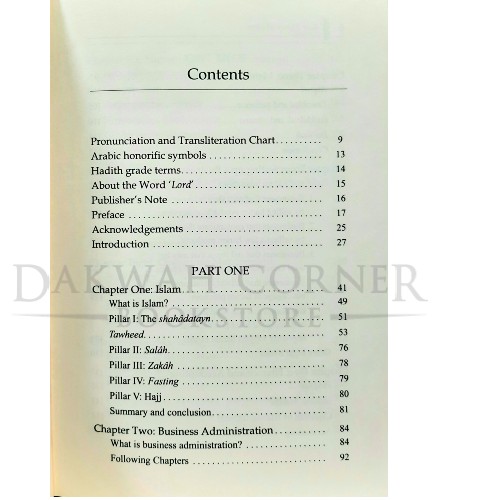
Your Money Matters (H/B)
Highlights:
This book highlights issues that are important and relevant to Muslims when they engage in tasks related to personal finances, business administration, investment, and work. Readers will find an overview of relevant excerpts from the Qur’an and the authentic Sunnah. Non-Muslims as well can gain valuable insights from this book that should prove useful in today’s multi-cultural business landscapes.
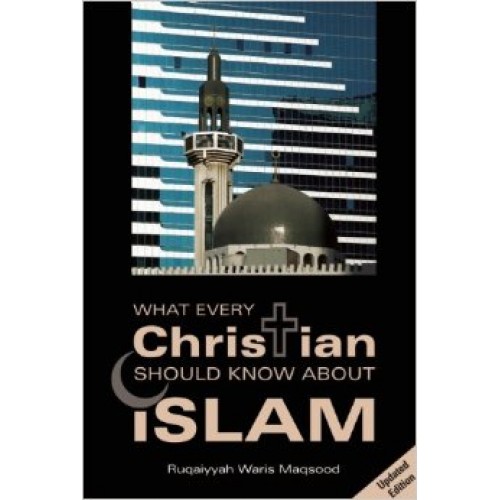
What Every Christian Should Know About Islam (P/B)
Highlights:
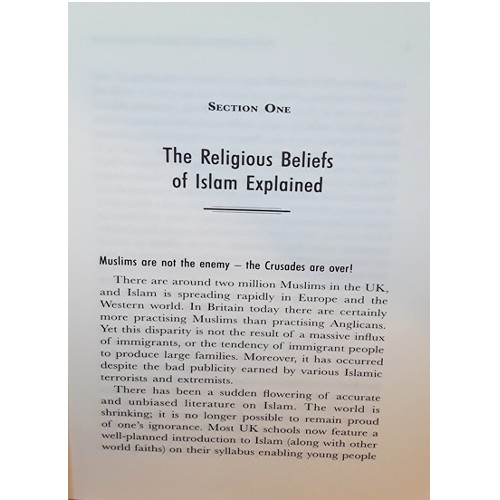
Of the many books explaining Islam, few specifically address the concerns and questions of those from a Christian background. Moreover, the commonalities between the Abrahamic faiths—Judaism, Christianity, and Islam—are too often ignored. Set out in an easy and informative question-and-answer format, the book addresses the specific theological points of agreement and difference between Christianity and Islam, explains the core religious beliefs and practices of Islam, and answers today’s most common questions of Islam and Muslims in an age when there is much conflict and misunderstanding. Islam is best judged not by the limitations and transgressions of its most extreme, ignorant, and outlandish followers, but by the example of its moderate majority, and Ruqaiyyah Waris Maqsood presents this introduction to the theology and practice of Islam in an attempt to explore some of the false impressions that surround it.
Table of Contents:
Section 1: The Religious Beliefs of Islam Explained
Section 2: the Religious Duties of Islam Explained
Section 3: Miscellaneous Questions
Section 4: Christianity and Islam
Ruqaiyyah Waris Maqsood gained an honors degree in Christian Theology from the University of Hull in 1963 and then taught religious studies at various state schools until her retirement in 1996. She converted to Islam in 1986 and now lectures and writes on Islam.
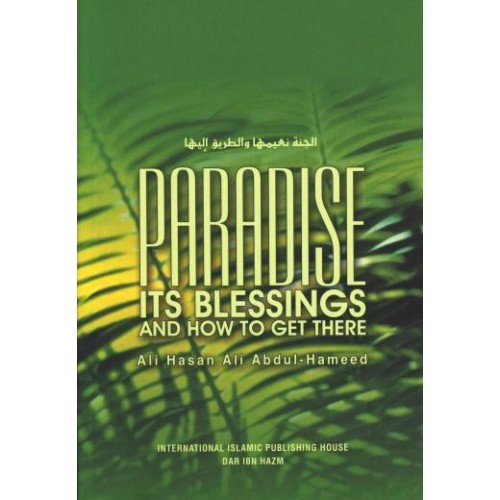
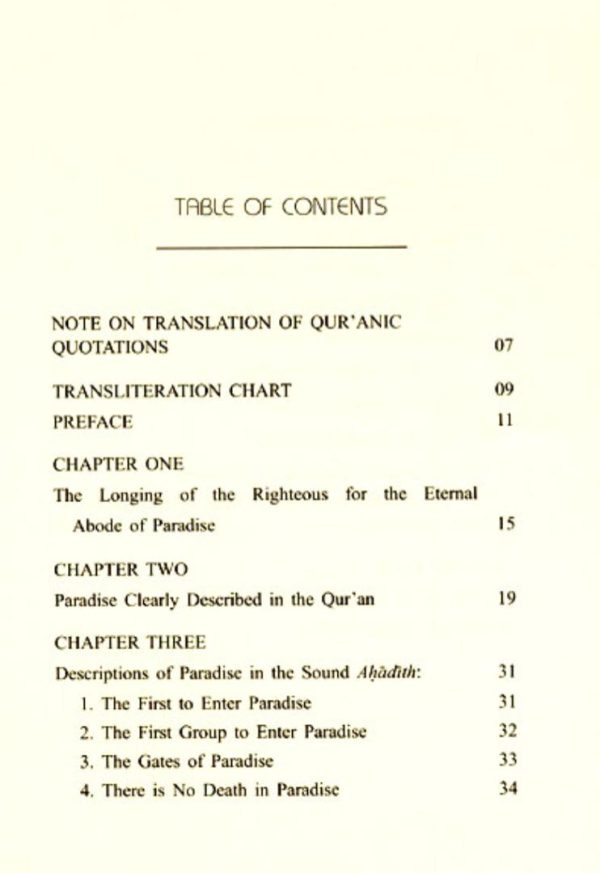
Paradise Its Blessings and How To Get There (P/B)
Highlights:
Paradise and its inhabitants as portrayed in the Qur’an and the Hadith, then discusses the various rewards and blessings that are promised to those who make it there. Finally, the author lists the many and myriad deeds that a Muslim can do that will help him or her to achieve the Garden of Eden.
$2.27 $2.50

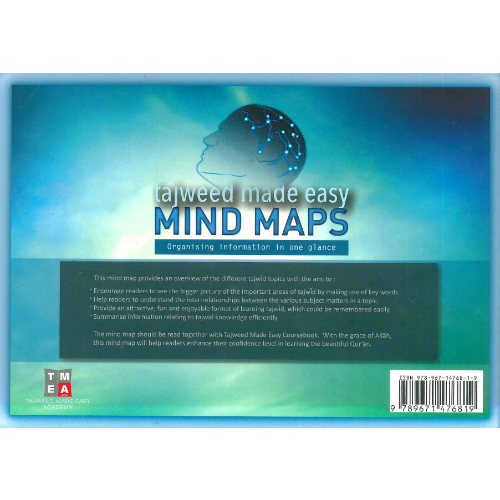
Tajweed Made Easy Mind Maps
Highlights:
This mind map provides an overview of the different tajwid topics with the aim to:
- Encourage readers to see the bigger picture of the important areas of tajwid by making use of key words.
- Help readers to understand the inter-relationships between the various subject matters in a topic.
- Provide an attractive, fun and enjoyable format of learning tajwid, which could be remembered easily.
- Summarise information relating to tajwid knowledge efficiently.
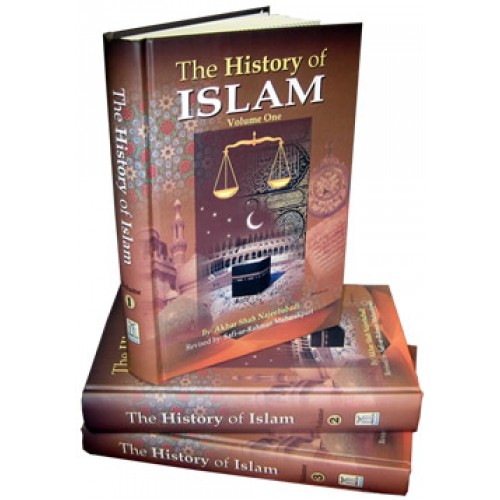
The History of Islam 3 Vol (H/B)
Highlights:
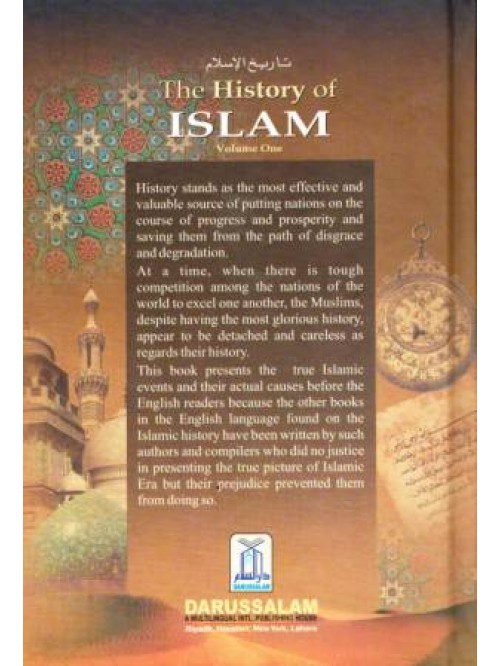
History stands as the most effective and valuable source of putting nation on the course of progress and prosperity and saving them from the path of disgrace and degradation.
At a time, when there is tough competition among the nations of the world to excel one another, the Muslim, despite having the most glorious history, appear to be detached and careless as regards their history.
This book presents the true Islamic events and their actual causes before the English readers because the other books in the English language found on the Islamic history have been written by such authors and compilers who did no justice in presenting the true picture of Islamic Era but their prejudice prevented them from doing so.
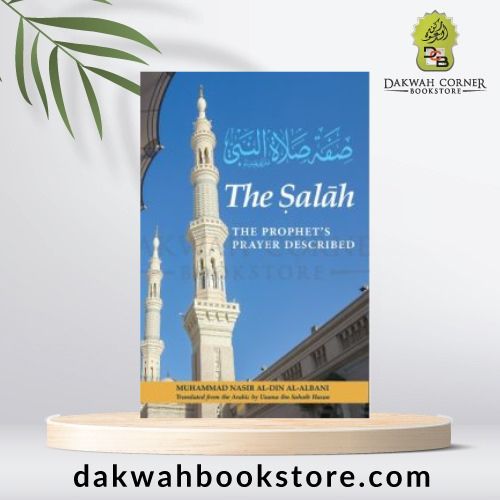
The Salah – The Prophet’s Prayer Described (H/B)
5 ★
5 ★
1 Rating
5 ★
1
4 ★
0
3 ★
0
2 ★
0
1 ★
0
Highlights:
It is not possible to us to perform the Salah (Prayer) as it should be performed unless we know the detailed description of the Prayer shown by Prophet Muhammad sallallahu ‘alayhi wasallam, such as essentials, manners, forms, supplications and remembrances. However, detailed familiarity with these aspects of the Prayer is difficult to be achieved by most people nowadays because of their limiting themselves to a particular madhhab (school of thought). In every mudhhab, there are traditions and sunnahs (Prophetic examples) which are not found in other madhhabs, and in every mudhhab there are sayings and actions which cannot be authentically traced back to the Prophet.
Many any books have been published on the Prayer of the Prophet but most are by later scholars that cater for a particular muddhab. This famous work, translated from the original Arabic Sifah Salah al-Nabi, brings together as many features of the Prophet’s Prayer from the takbir to the taslim, so that Muslims can fullfil the Prophet’s command to “pray as you see me pray”. This work is the result of an intensive research by the author on various traditions (Hadiths) and their relevance, judjed according to the strict rules of the science of Hadith.
There are no reviews yet.